Introduction to Ethereum Facts
Ethereum is more than just Bitcoin’s runner-up—it’s a blockchain powerhouse shaping the future of decentralized finance (DeFi), smart contracts, and NFTs. Yet, despite its fame, there are Ethereum Facts that even seasoned investors overlook. These facts reveal hidden risks, surprising history, and incredible potential.
In this article, we’ll uncover 10 shocking Ethereum Facts that few investors really know and explain why they matter for anyone considering Ethereum as part of their portfolio.
Fact #1: Ethereum Wasn’t Always the #2 Crypto
Many assume Ethereum has always been the world’s second-largest cryptocurrency, but that isn’t true. In its early years, Ethereum competed with Ripple (XRP), Litecoin, and others for market dominance.
Ethereum surged ahead because of its unique ability to run smart contracts, giving it an edge over cryptocurrencies that were just digital money. This fact highlights Ethereum’s adaptability—a critical reason it’s still thriving today.
Fact #2: The Creator of Ethereum Was a Teenager
One of the most surprising Ethereum Facts is that its creator, Vitalik Buterin, was only 19 when he introduced Ethereum in 2013. A Russian Canadian programmer, Vitalik envisioned a blockchain that could do more than just payments.
His vision gave birth to a platform that supports decentralized applications (dApps), decentralized finance, and NFTs. Ethereum’s youthful origin story proves innovation doesn’t require decades of experience—it requires bold ideas.
Fact #3: Ethereum Once Faced a $50 Million Hack
In 2016, Ethereum experienced one of the biggest shocks in crypto history. A vulnerability in The DAO (Decentralized Autonomous Organization) allowed hackers to siphon $50 million worth of ETH.
This incident led to a controversial hard fork, splitting the blockchain into Ethereum (ETH) and Ethereum Classic (ETC). While many see this as Ethereum’s darkest hour, it also demonstrated resilience—Ethereum bounced back stronger, securing its place as a leading blockchain.
Fact #4: Ethereum Gas Fees Can Outprice Small Investors
Ethereum transactions require gas fees, which are payments to miners (and now validators after The Merge). At times of high demand, fees can soar beyond $50 per transaction.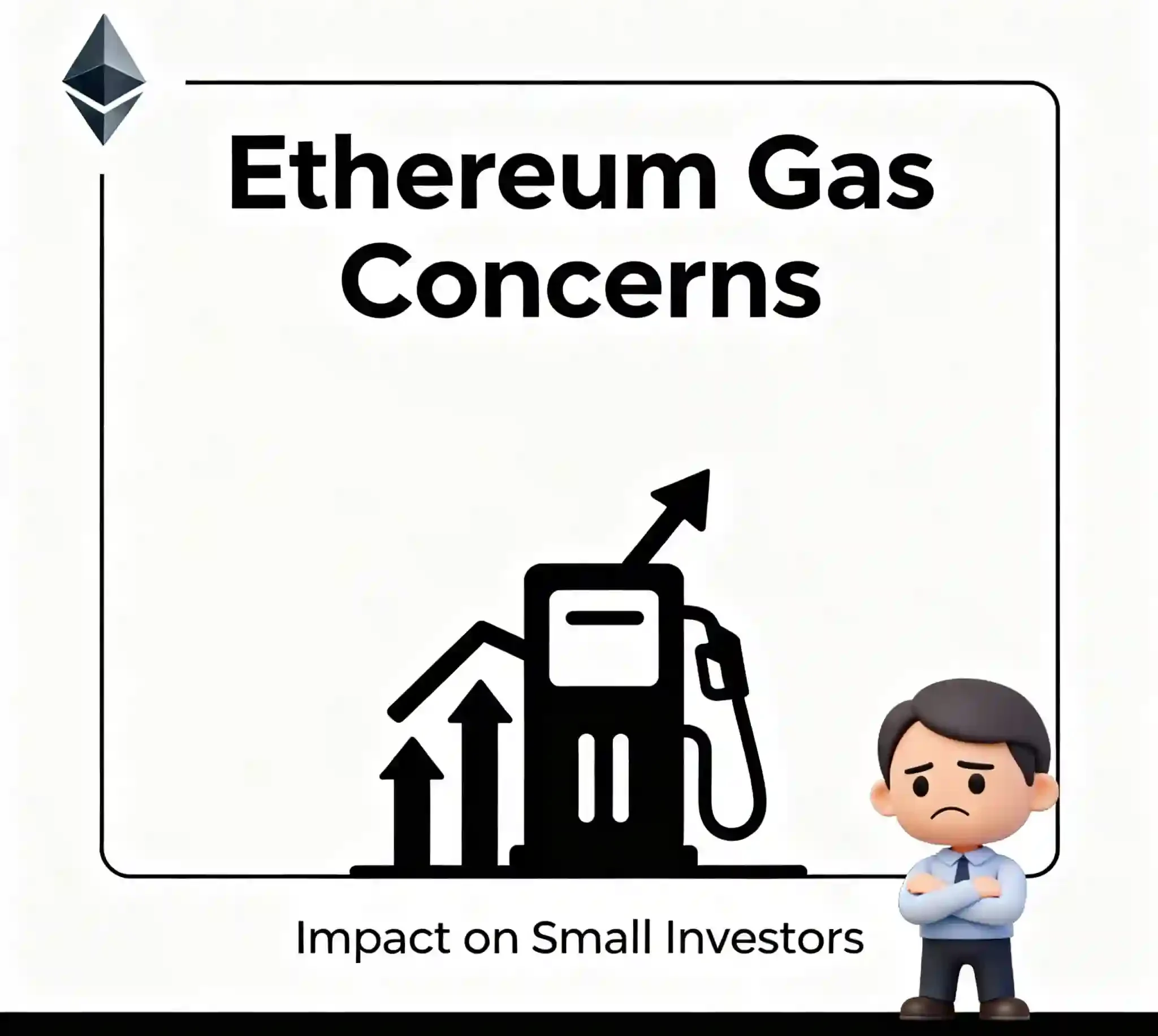
For small investors, this makes trading ETH or using dApps costly. While Ethereum is working on scaling solutions like layer-2 networks (Optimism, Arbitrum), this remains one of the most debated Ethereum Facts in the crypto world.
Fact #5: Ethereum Has More Developers Than Any Other Blockchain
Another shocking truth is that Ethereum attracts more developers than any other blockchain, surpassing even Bitcoin.
This developer dominance means more dApps, DeFi protocols, and NFT marketplaces are built on Ethereum. According to Electric Capital’s Developer Report, Ethereum consistently leads in active monthly developers.
This fact underscores why Ethereum remains the go-to blockchain for innovation.
Fact #6: The Merge Changed Everything
In September 2022, Ethereum transitioned from Proof-of-Work (PoW) to Proof-of-Stake (PoS) in an upgrade called The Merge.
This historic event cut Ethereum’s energy consumption by over 99%, making it eco-friendly compared to Bitcoin. While many expected ETH prices to skyrocket immediately, the real benefit lies in long-term scalability and sustainability.
The Merge is one of the most transformative Ethereum Facts every investor should know.
Fact #7: Ethereum Is Not Fully Deflationary—Yet
There’s a common myth that Ethereum became deflationary after the EIP-1559 upgrade (which burns transaction fees). While it does burn ETH, the supply is only deflationary under high network activity.
At times of low usage, ETH supply still increases. This makes Ethereum’s monetary policy dynamic—neither fixed like Bitcoin’s nor entirely inflationary.
Fact #8: Ethereum Hosts Billions in DeFi
Ethereum isn’t just about currency—it’s the backbone of the DeFi (Decentralized Finance) industry. Billions of dollars are locked in protocols like Uniswap, Aave, and MakerDAO, all powered by Ethereum smart contracts.
These financial applications operate without banks, proving that Ethereum isn’t just tech—it’s a financial revolution.
Fact #9: Ethereum NFTs Sparked a Digital Art Revolution
When NFTs exploded in 2021, Ethereum was at the center of the craze. Platforms like OpenSea and projects like CryptoPunks and Bored Ape Yacht Club built their legacy on Ethereum.
This single fact proves Ethereum’s cultural impact. Beyond finance, it has reshaped digital ownership, art, and entertainment.
Fact #10: Ethereum’s Roadmap Still Stretches Over a Decade
Despite massive progress, Ethereum’s roadmap is far from complete. Vitalik Buterin outlined stages like The Surge, The Verge, The Purge, and The Splurge, each designed to make Ethereum faster, cheaper, and more scalable.
For investors, this means Ethereum is still a work in progress—its best days may be ahead.
Why These Ethereum Facts Matter to Investors
These Ethereum Facts prove that Ethereum isn’t just another cryptocurrency—it’s a technological, financial, and cultural movement. From resilience against hacks to leading the NFT boom, Ethereum continues to shape the future of blockchain.
For investors, these facts highlight both the risks (like gas fees and security challenges) and the opportunities (like scalability and global adoption).
FAQs on Ethereum Facts
1. What makes Ethereum different from Bitcoin?
Bitcoin is primarily digital money, while Ethereum is a programmable blockchain that supports dApps, NFTs, and DeFi.
2. Is Ethereum a safe investment?
Like all cryptocurrencies, Ethereum carries risks. However, its strong developer base and wide adoption make it one of the more reliable crypto investments.
3. How does Ethereum gas work?
Gas fees are payments for using Ethereum’s network. They depend on transaction complexity and network demand.
4. What is Ethereum’s future potential?
Ethereum’s roadmap includes massive scalability upgrades, making it capable of supporting millions of users worldwide.
5. How did Ethereum survive major hacks?
Ethereum’s resilience comes from its community governance and ability to adapt, as shown during The DAO hack.
6. Can Ethereum replace traditional finance?
Ethereum has already started replacing parts of finance with DeFi protocols, but full replacement will take time.
Conclusion of Ethereum Facts
Ethereum is not just the world’s second-largest cryptocurrency—it’s a constantly evolving ecosystem. These 10 shocking Ethereum Facts show how much more there is to learn about ETH, beyond its price movements.
For investors, understanding these facts is key to making smarter, more informed decisions in the crypto space. Ethereum’s journey is still unfolding, and its potential remains enormous.